
New York Giants running back Cam Skattebo suffered a devastating ankle dislocation during a recent game, sending shockwaves through the team and fanbase. Known for his toughness and downhill running style, Skattebo’s injury highlights both the physical toll of professional football and the serious nature of ankle dislocations — one of the more severe lower-extremity injuries an athlete can face.
What Is an Ankle Dislocation?
An ankle dislocation occurs when the bones that form the ankle joint — the tibia, fibula, and talus — are forcibly separated from their normal alignment. This typically results from a high-impact tackle or awkward landing, both common in football. Because of the extreme force involved, dislocations are often accompanied by:
- Fractures of the surrounding bones
- Severe ligament tears
- Possible vascular or nerve injury
This is far more serious than a simple sprain or strain and requires immediate medical attention to realign the joint and prevent long-term complications.
How It Happens in Football
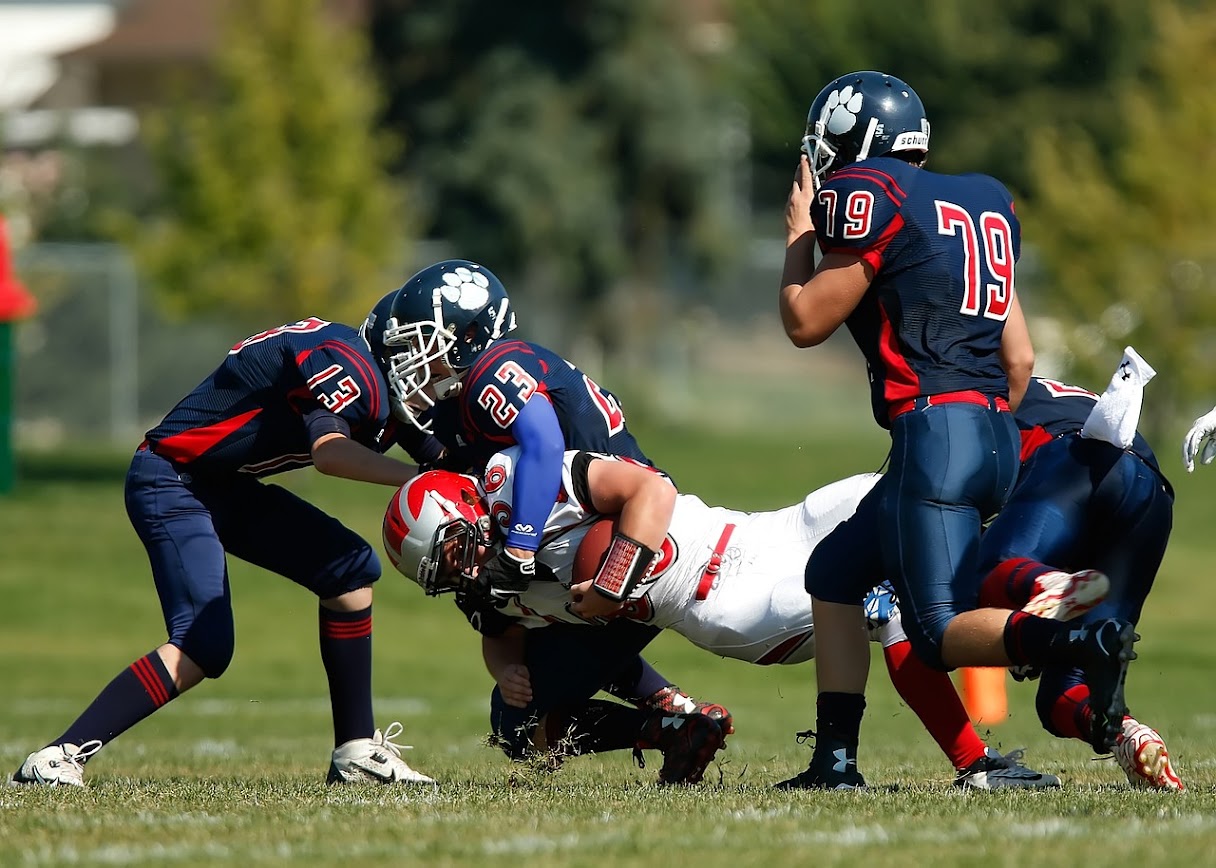
Running backs like Skattebo are at particular risk. When a player plants their foot and is hit from the side or behind, the rotational force can twist the ankle beyond its normal range of motion. In Skattebo’s case, the force was enough to cause the joint to dislocate — a moment no athlete or fan ever wants to witness on the field.
Treatment and Recovery
Treatment for an ankle dislocation begins on the field, with trainers and medical staff quickly stabilizing the leg to prevent further damage.
After emergency care and imaging, the next steps may include:
- Reduction: The joint is carefully repositioned (usually under sedation).
- Imaging: X-rays or MRIs confirm whether there are associated fractures or ligament damage.
- Surgery: If fractures or torn ligaments are present, surgical repair is often required.
- Rehabilitation: A structured rehab plan focusing on strength, range of motion, and balance is critical for recovery.
Depending on the severity, return-to-play timelines can vary from 3 to 6 months, or even longer for complex injuries.
The Road Ahead for Cam Skattebo
The Giants will likely proceed cautiously with Skattebo’s recovery. The priority will be joint stability, mobility, and long-term function, rather than a rushed return. For a power runner who relies heavily on lower-body strength and agility, full recovery and rehabilitation are essential before taking another snap.
With modern surgical techniques and dedicated physical therapy, many players return to high-level competition after ankle dislocations — but it’s a process that demands time, patience, and expert care.
Podiatry Insight: Preventing Severe Ankle Injuries
While traumatic dislocations are difficult to prevent in contact sports, the following can help reduce the risk of severe ankle trauma:
- Strength training focused on ankle and leg muscles
- Proper, supportive footwear for the sport
- Ankle taping or bracing during high-risk activities
- Balance and proprioception exercises
- Regular evaluation by a sports podiatrist or athletic trainer
These preventive measures help ensure joint stability and can catch underlying weaknesses before they lead to major injury.
Final Thoughts
Cam Skattebo’s ankle dislocation is a painful reminder of the physical risks athletes face on the field. His resilience and commitment to recovery will determine how soon he returns to the Giants’ lineup. With proper medical care, rehabilitation, and support, there’s every reason to believe he can bounce back stronger than ever!
